

What Are the Risks of Using Expired Makeup?

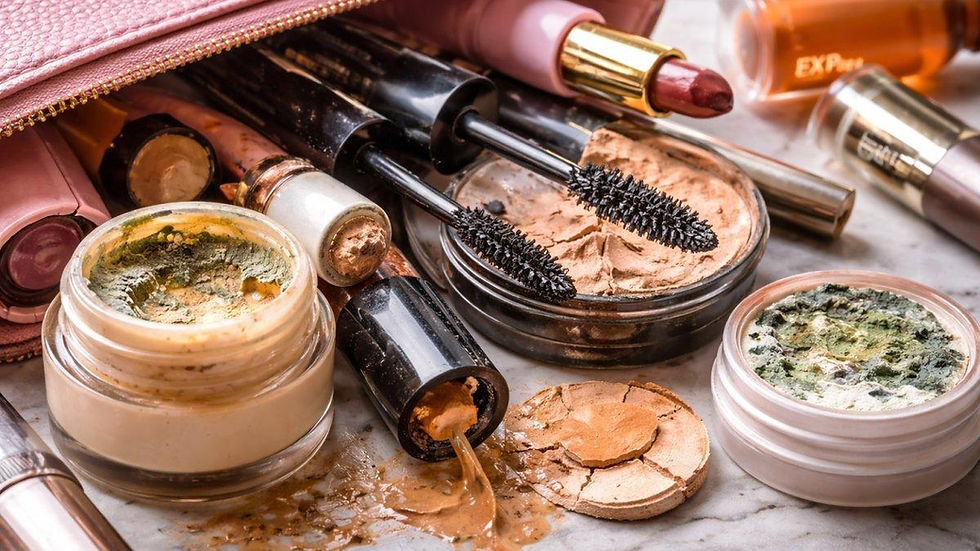
Most of us have done it. We've kept a favourite eyeshadow palette for years, added a few drops to revive a drying mascara, or continued using a foundation that's started to separate.
While it may seem harmless, using expired makeup can put your skin and eyes at unnecessary risk.
Unlike food, cosmetics don't always carry an obvious expiry date. In the UK, products with a shelf life of more than 30 months aren't generally required to display an expiration date. Instead, they usually show a Period After Opening (PAO) symbol – the small open jar icon with a number such as 6M, 12M, or 24M, indicating how many months the product should be used after opening.
Once opened, every cosmetic begins to age. Exposure to air, fingers, brushes and the skin allows bacteria, yeast and mould to build up, while the ingredients gradually lose their effectiveness.
Does Makeup Really Expire?
Absolutely.
Every cosmetic has a limited lifespan, whether it's mascara, foundation, lipstick or eyeshadow. Even if a product still looks perfectly normal, the preservatives protecting it from bacteria slowly become less effective, and the formula itself begins to break down.
This is particularly important for products used around the eyes or on broken or sensitive skin.
Why Expired Makeup Can Be Harmful
As cosmetics age, two things happen:
Microorganisms multiply, increasing the risk of contamination.
Active ingredients deteriorate, reducing performance and making the product less stable.
Preservatives weaken over time, emulsifiers begin to fail, oils oxidise, and SPF filters gradually lose their effectiveness. The result is a product that may no longer protect or perform as intended and could irritate your skin.
Skin Irritation and Allergic Reactions
Old cosmetics can trigger redness, itching, burning and irritation, particularly if you have:
Sensitive skin
Eczema
Rosacea
A weakened skin barrier
As preservatives deteriorate and bacteria multiply, the likelihood of developing contact dermatitis or experiencing a flare-up of existing skin conditions increases.
If you notice stinging, redness or itching after applying a product, it's safest to stop using it immediately.
Acne and Clogged Pores
Expired liquid and cream cosmetics are common culprits for unexpected breakouts.
As oils become exposed to oxygen, they oxidise, which can make them more comedogenic (pore-clogging). Combined with bacterial growth, this creates an ideal environment for clogged pores and blemishes.
If you're suddenly experiencing unusual acne, your old foundation, concealer or cream blush could be contributing.
Eye and Lip Infections
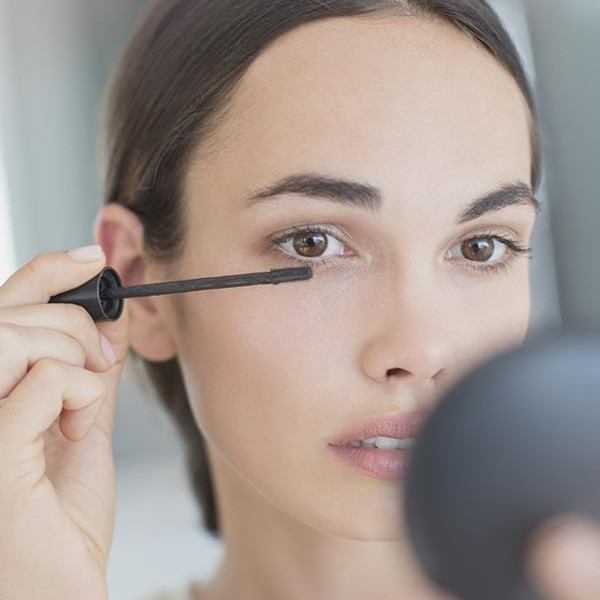
Mascara is one of the shortest-lived cosmetic products and one of the highest-risk items to keep beyond its recommended life.
Every time the wand is removed and replaced, air and bacteria enter the tube. Because mascara is applied so close to the eye, contamination can lead to infections such as:
Conjunctivitis (pink eye)
Styes
Blepharitis (inflamed eyelids)
Contaminated mascara may also harbour bacteria such as Staphylococcus aureus, a common cause of skin and eye infections.
Lipsticks and lip glosses also deserve attention. They come into regular contact with bacteria naturally present on the lips. If a product is used during a cold sore outbreak, the herpes simplex virus may remain on the product and potentially cause reinfection later.
When in doubt, it's best to replace any lip product used during a cold sore flare-up.
Products Containing SPF
Cosmetics containing SPF deserve extra care.
The UV filters in foundations, BB creams and tinted moisturisers gradually lose effectiveness over time, particularly if products are repeatedly exposed to heat or sunlight.
An expired SPF cosmetic may still look perfectly normal but no longer provide the level of sun protection stated on the packaging. If you're relying on it for daily UV protection, you may be leaving your skin more vulnerable to sun damage and premature ageing.

Typical Makeup Shelf Life After Opening
While manufacturers' recommendations vary, these are good general guidelines:
Product | Typical Shelf Life |
Mascara | 3 months |
Liquid eyeliner | 3–6 months |
Cream eyeliner | 6 months |
Liquid foundation | 6–12 months |
Concealer | 6–12 months |
Cream blush or bronzer | 6–12 months |
Lipstick | 12–24 months |
Lip gloss | 6–12 months |
Powder foundation | Up to 24 months |
Powder blush and bronzer | Up to 24 months |
Eyeshadow palettes | Up to 24 months |
Makeup pencils | Up to 24 months (sharpen regularly) |
Always check the Best Before/After Opening etc. symbol if one is provided, as the manufacturer's guidance should take priority.

Signs Your Makeup Should Be Thrown Away
Replace cosmetics immediately if you notice any of the following:
An unpleasant or rancid smell.
Ingredients separating or becoming unusually watery.
Changes in colour.
Thickening, drying out or becoming unusually clumpy.
Mould or unusual spots on the product.
Irritation, redness or stinging after application.
Remember, many contaminated products show no visible signs of spoilage, so don't rely solely on appearance.
How to Make Your Makeup Last Longer
A few simple habits can significantly reduce contamination.
Store Products Correctly
Keep cosmetics in a cool, dry place away from direct sunlight, radiators and hot cars. Heat accelerates ingredient breakdown and encourages bacterial growth.
Use Clean Hands and Tools
Avoid dipping fingers directly into products whenever possible. Instead, use clean brushes or spatulas.
Wash makeup brushes and sponges at least once a week with a gentle cleanser or shampoo and allow them to dry thoroughly before reuse.
Never Share Makeup
Sharing mascara, lipstick or eyeliner transfers bacteria and viruses between users.
It's also wise to avoid using heavily handled cosmetic testers unless disposable applicators are provided.
The Bottom Line
Using expired makeup isn't simply about poorer performance—it can affect the health of your skin and eyes.
While UK cosmetics aren't always required to display an expiration date, they are designed to be used within a recommended period after opening. Following the PAO symbol, storing products correctly and replacing older cosmetics on time helps reduce the risk of irritation, breakouts and infection.
If a product changes in smell, colour, texture or causes any discomfort, it's always safer to replace it. Fresh makeup not only performs better but also helps keep your skin healthy and protected.


Comments